Blog 2 - choosing the right equipment
There is an old joke motorbike riders tell - "if I die, I hope my wife doesn't sell my bike for what I told her I paid for it". The same is true of photographers. It's an expensive thing to do if you want to take it seriously. Hopefully I can articulate ways of helping you avoid making mistakes and having buyers remorse, and realising the gear you've bought isn't fit for purpose and having to sell or exchange it at a loss.
There are some key places to start, and some useful tools you can use that will help.
The first is https://cameradecision.com - a site where you can compare cameras and lenses
The second is https://www.kenrockwell.com - the best review site on the internet. I never buy a lens without reading Ken's reviews
And finally I use https://camerasdori.com to buy my cameras and lenses - the cheapest by a country mile and great service
Youtube is your friend for additional reviews, information and tips on getting the best lens for the pictures you want to take.
My goal was to take motorbike pictures, and I wanted something well priced and easy to use for fast moving action.
I started with a Canon EOS R50 which came bundled with a RF 18-45mm IS STM lens, and was frankly rubbish. Pictures weren't sharp, the battery didn't seem to last and the lens didn't give the reach or the flexibility I needed. I liked the Canon user interface, and all the reviews I read suggested Canon was the right brand. The RF series is the newest (it has replaced older EF lenses) but I didn't research STM v USM and didn't think the extra £500 for a lens would be worth it - boy, was I wrong.
There is a good review of the R50 here: https://www.the-digital-picture.com/Reviews/Canon-EOS-R50.aspx
This is the best photo I ever took on that camera:
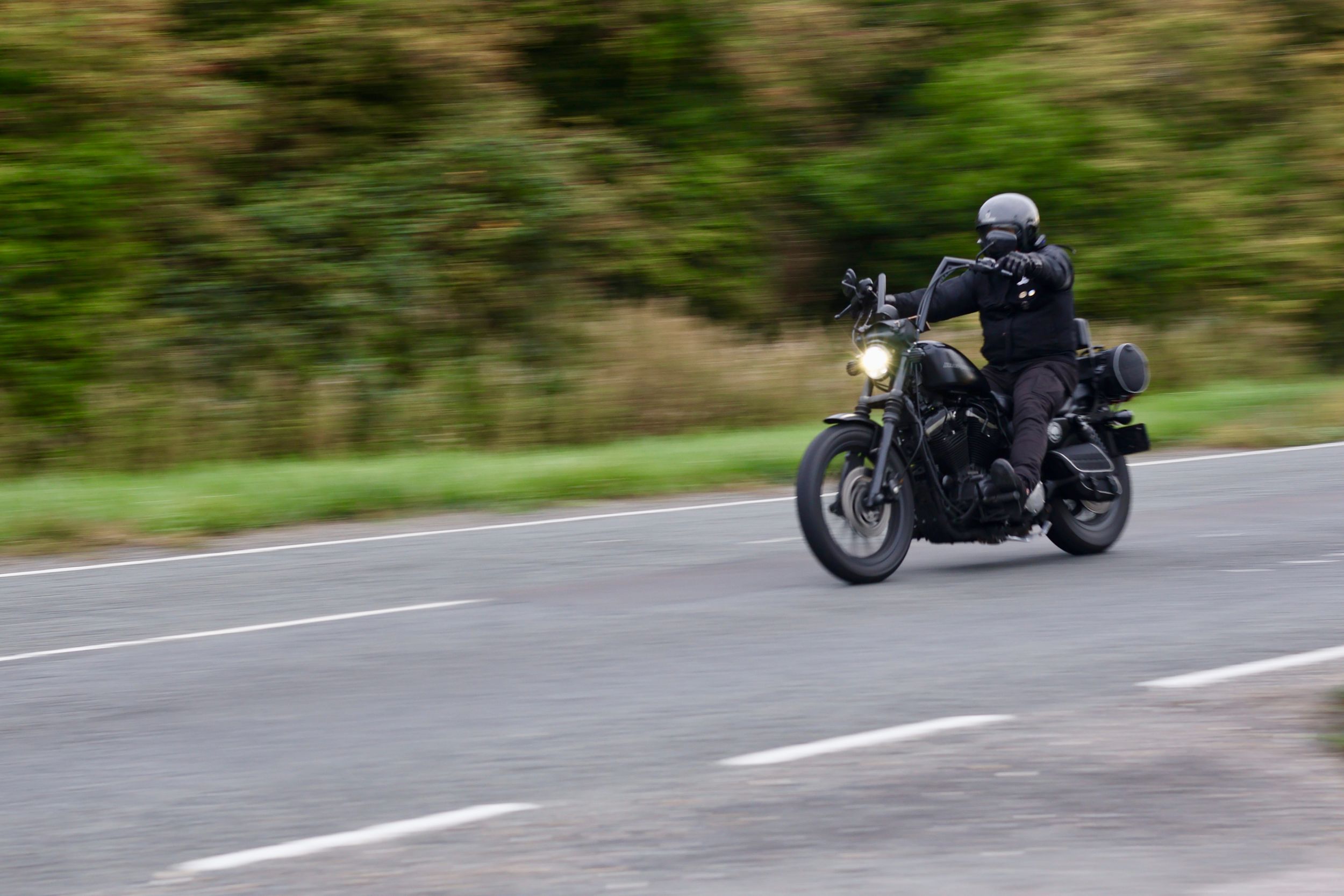
I was pretty happy with it. Good blurry background (purists call this "bokeh" but no-one knows how to pronounce that). It's unedited and reasonably sharp. It was taken at an exposure of F4 and a shutter speed of 1/80, and I panned the camera to try and keep up with the bike. I also took some absolute garbage with it. Like these ones:
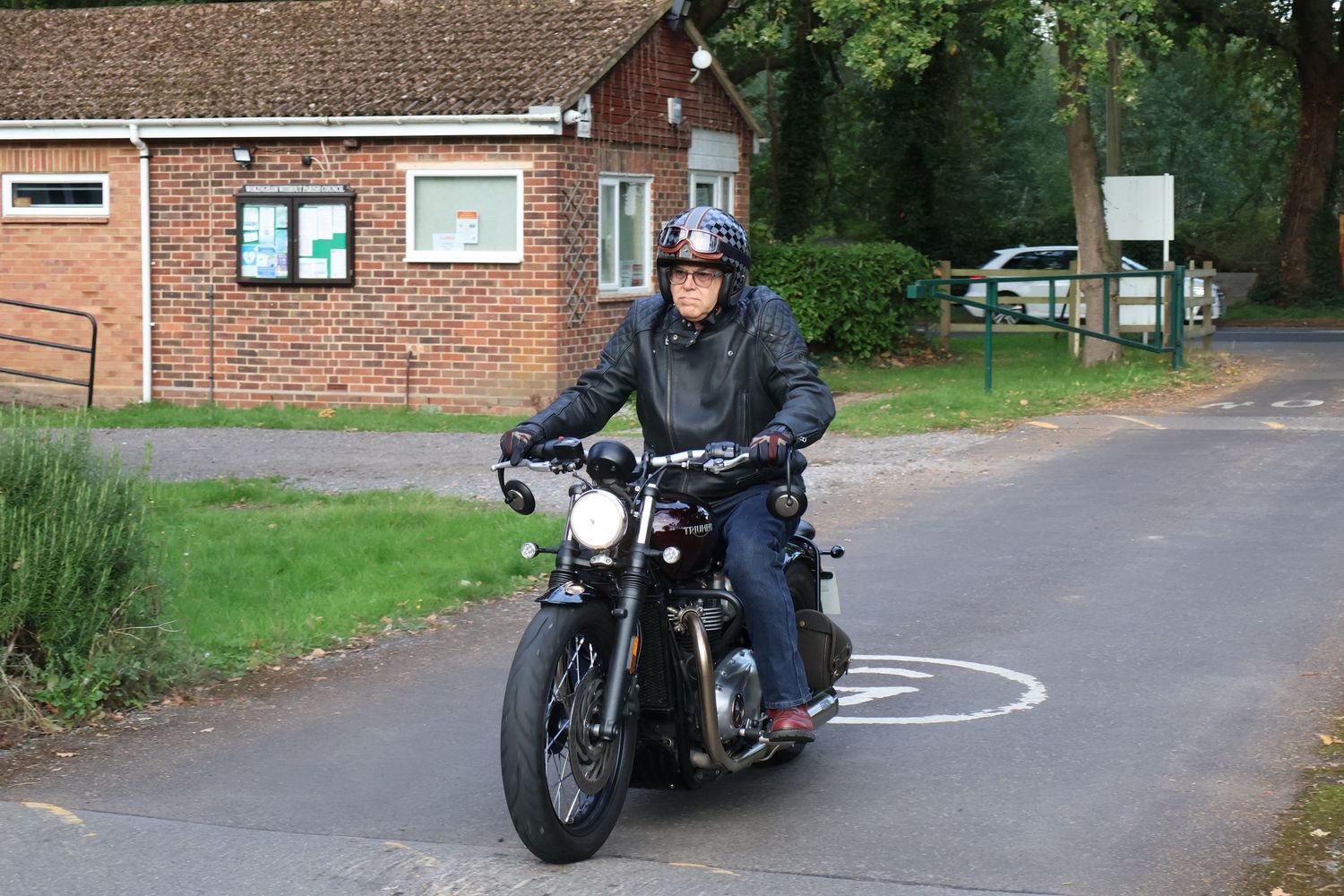
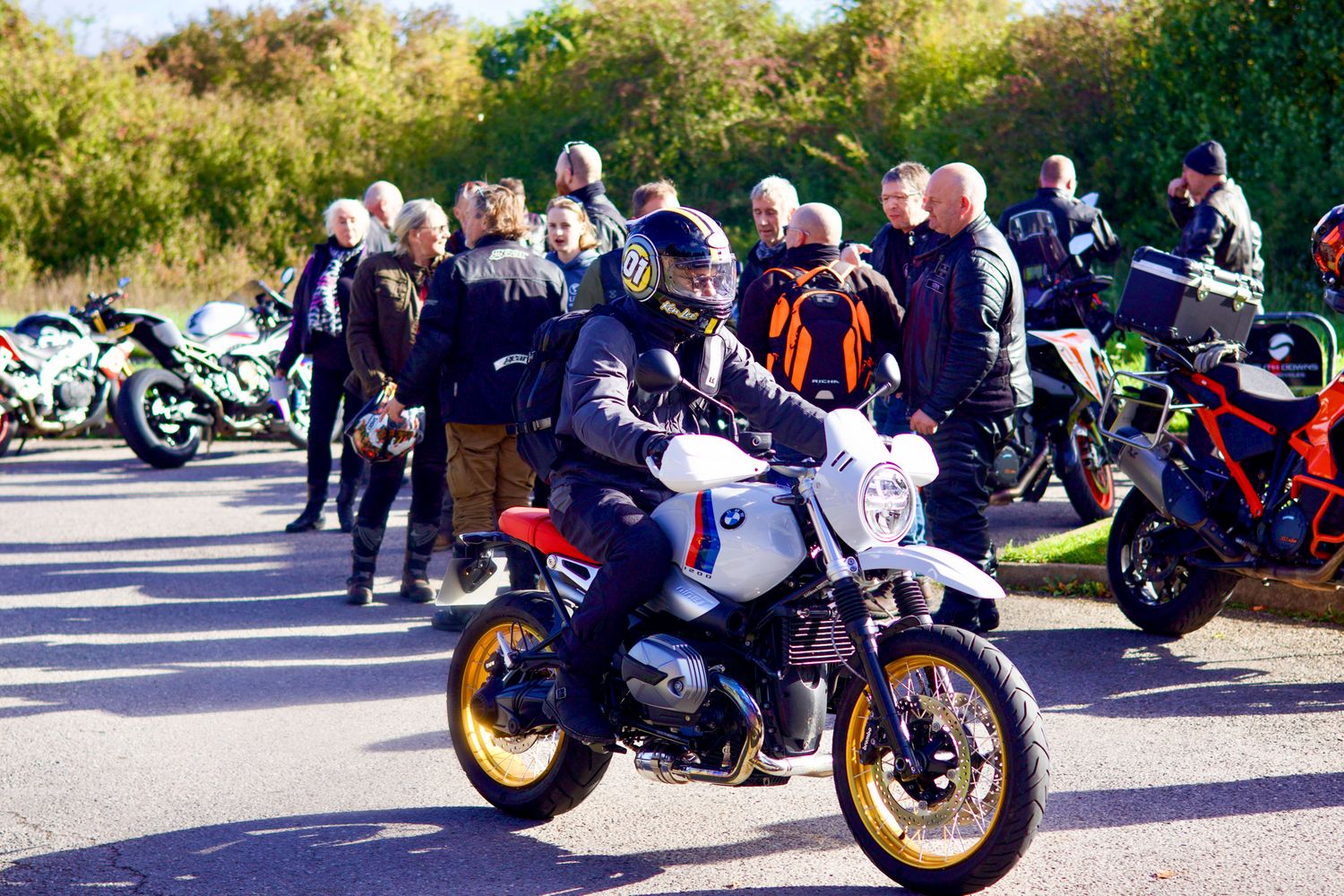
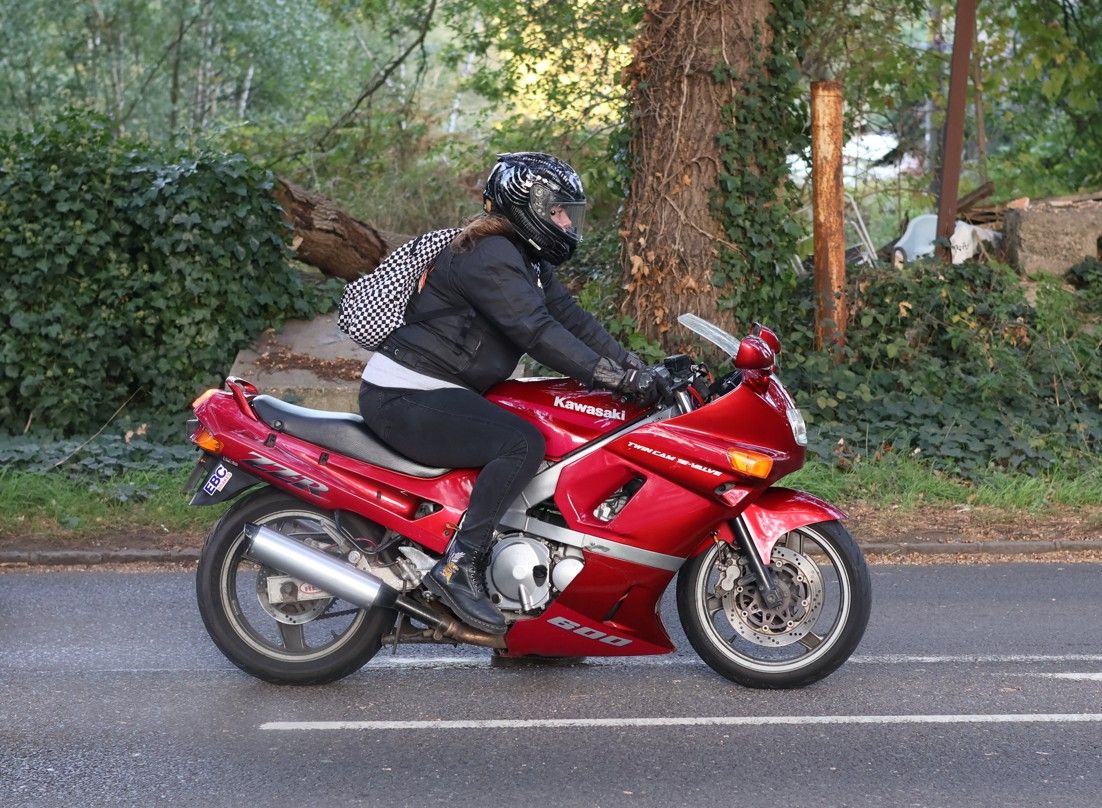
Given I didn't know what I was doing, the images are ok. But they aren't particularly sharp, the colour depth looks meh and none of the photos I was taking "popped". Looking back, the framing and composition aren't great - and these were the better ones. I did more research and decided I needed a camera with more functionality and something that would allow me to do more than take average looking photos. I loved the process of taking pictures, so figured I should invest in something punchier, so using the sites above, plumped for a Canon R6 mk 2.
People will say the majority of quality photos come from the lens and not the body, but I believe you need a solid base to start from and the difference in feel and sharpness was immediate from day 1.
The next question, is what lens?
As mentioned in blog 1, I have several lenses, and I'll try and break down the pros and cons of each one for you below. All are available with quicker delivery from Amazon, but if you are prepared to wait a week, Cameras Dori will save you £000s for the same gear. Don't believe me? See below. The Daddy in my bag - the RF28-70 F2L USM lens.
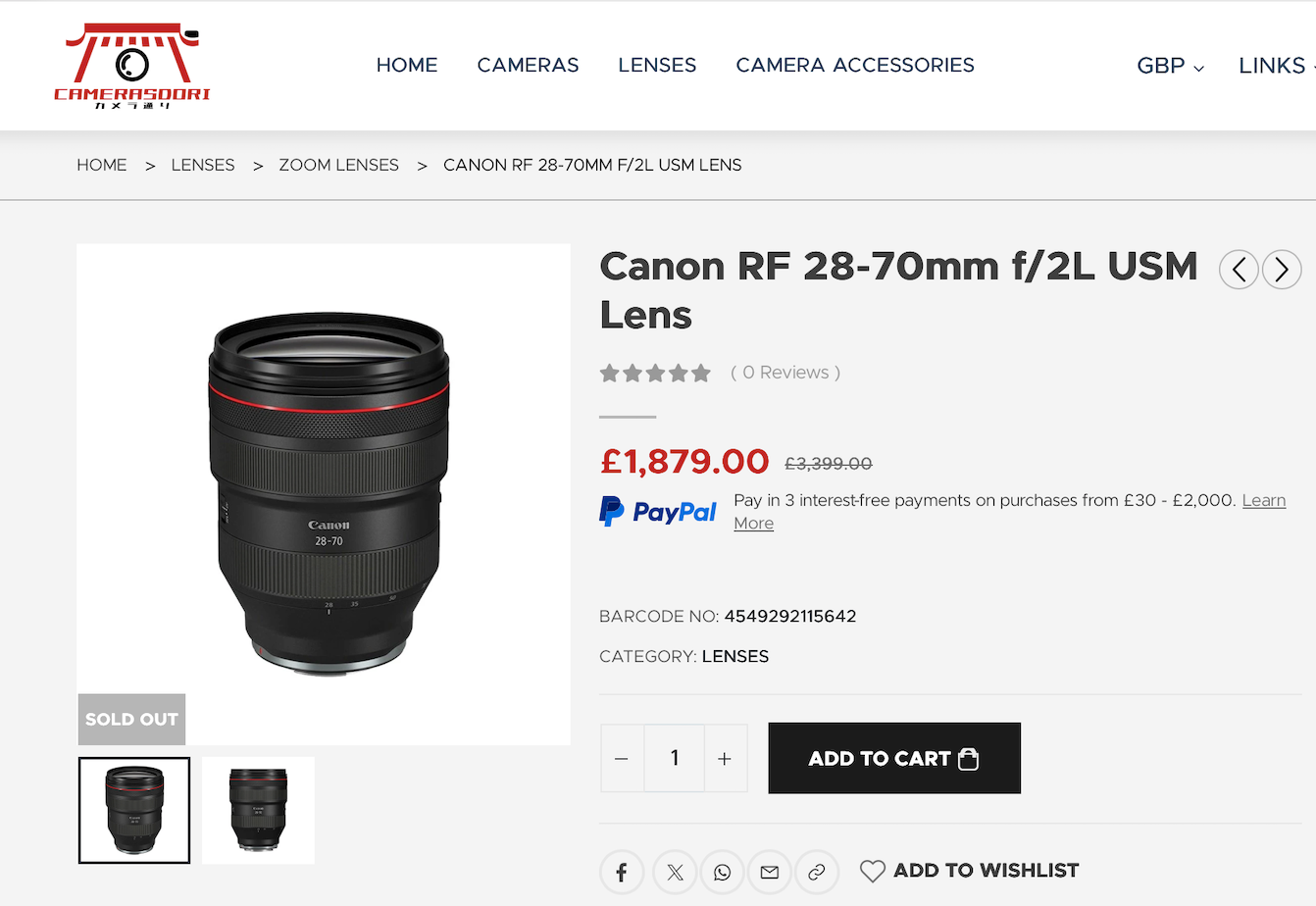
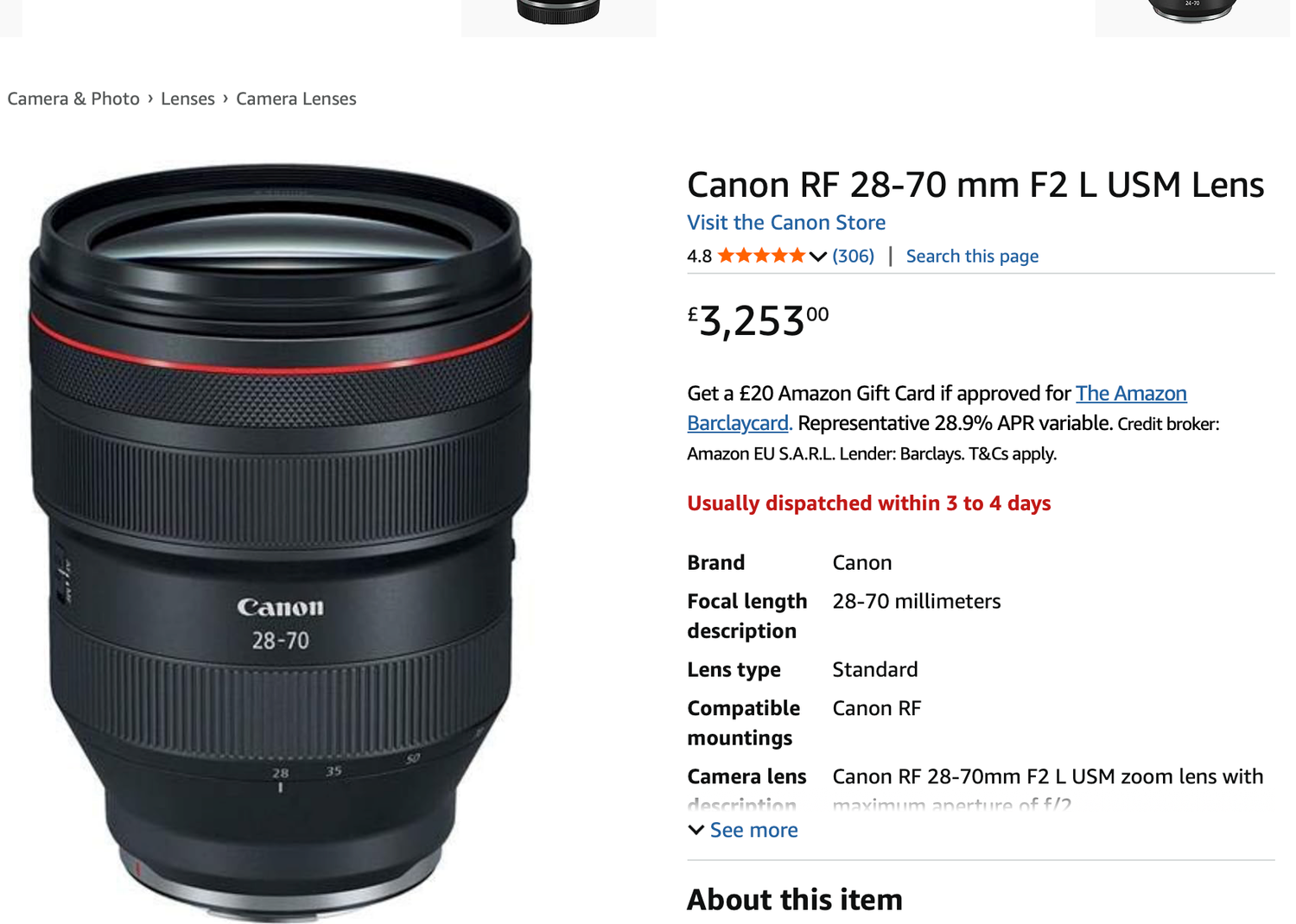
So let's start with this lens. A friend calls it an anvil, and he's not wrong. It's heavy and bulky, but it is - for me - the best lens I own. It's my go-to for 80% of the photos I take these days, and I hit far more than I miss with it.
It's a USM L lens, so professional quality and has a focal range of 28-70mm. This means it covers wide angles (group shots) and profile pictures and weddings (people will tell you that a 50mm prime is essential for this, as is a 85mm prime) - this camera does the former better than any 50mm lens I have tried and covers almost all of your 85mm needs too. F2 means it is brilliant in low light, and it comes with a hood to reduce sun glare / spots. (note - my hood broke the first time I used it, and getting a replacement - EW-103 - has proven to be a pain in the arse).
I have used this on my travels, for professional shoots and walking the dog and it's incredible. It doesn't have the reach for artistic sunsets or anything approaching distance (so no good for sports fields or wildlife) but for motorbike photos, close ups and landscapes, it can't be beaten. Some examples are below:
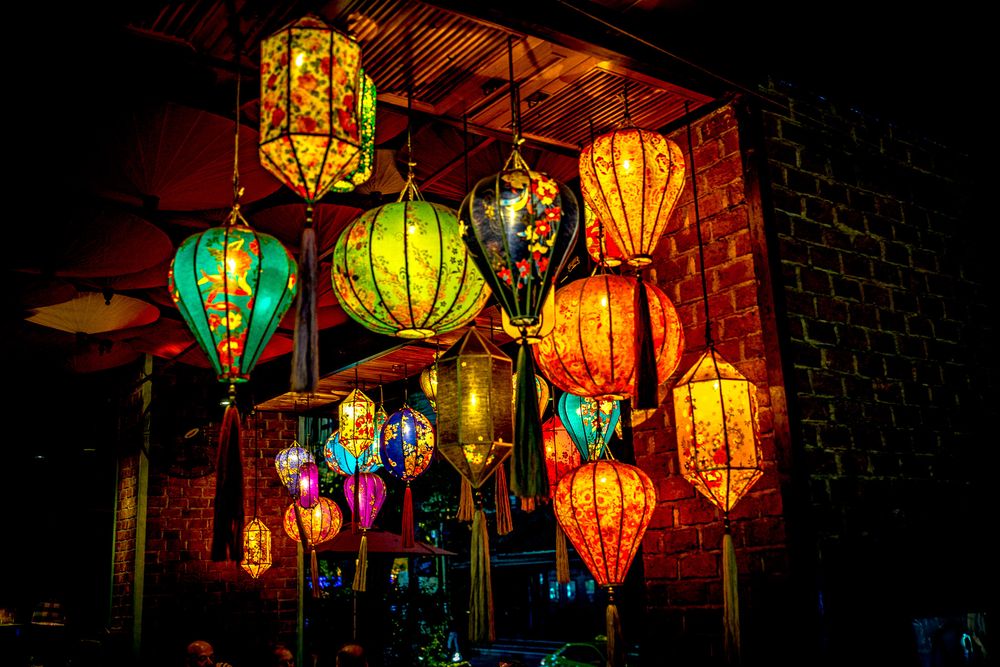

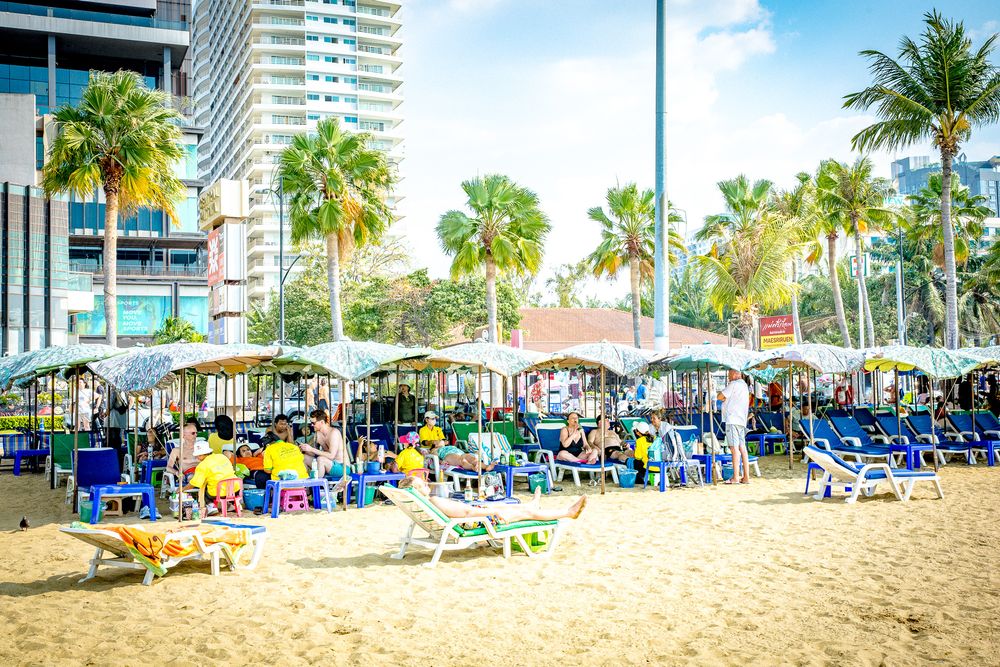
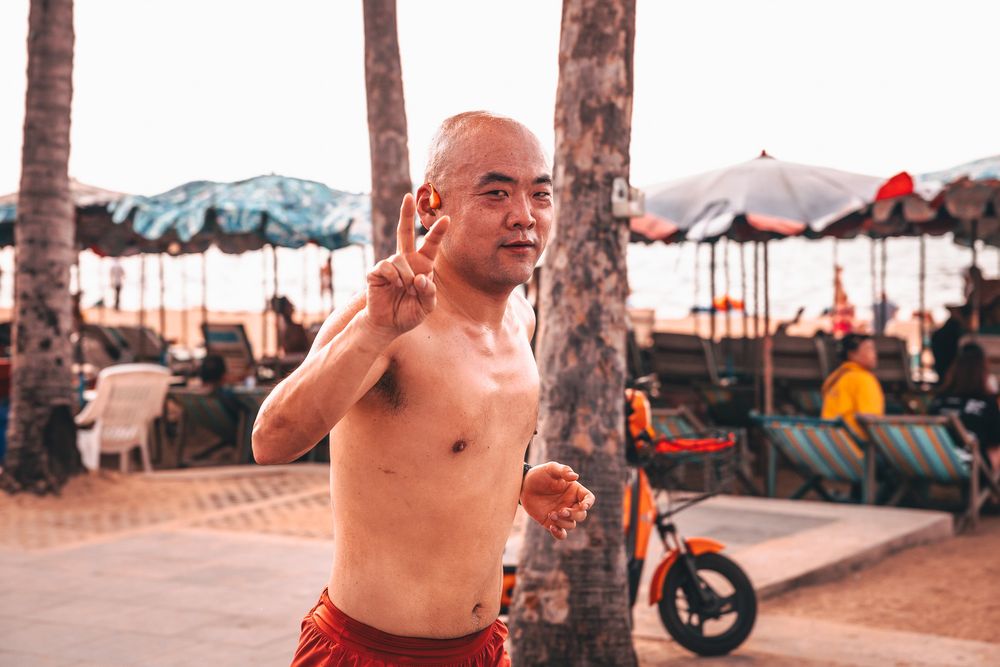
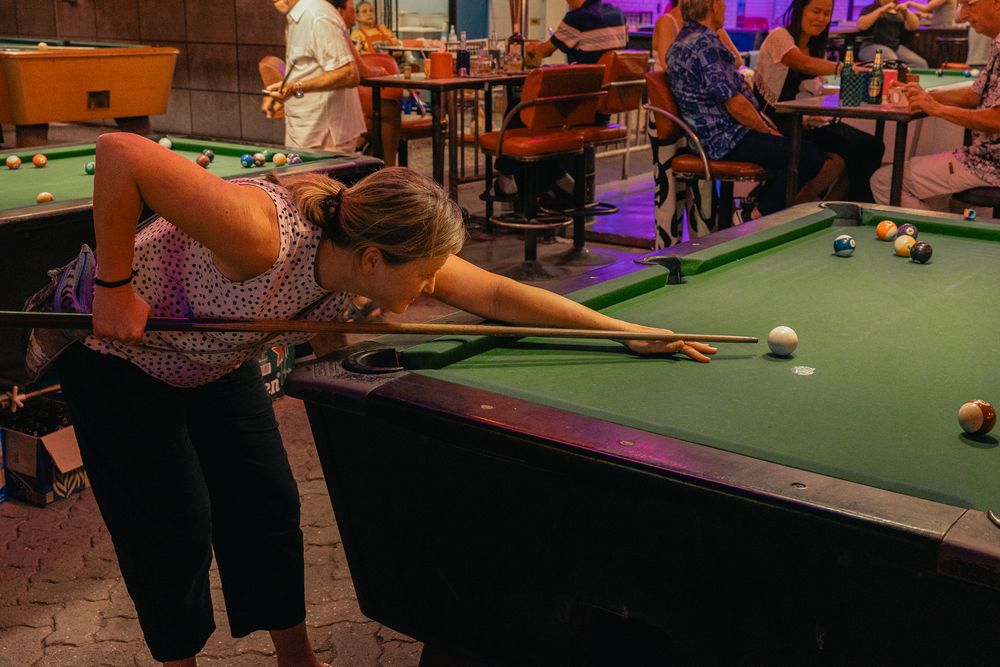
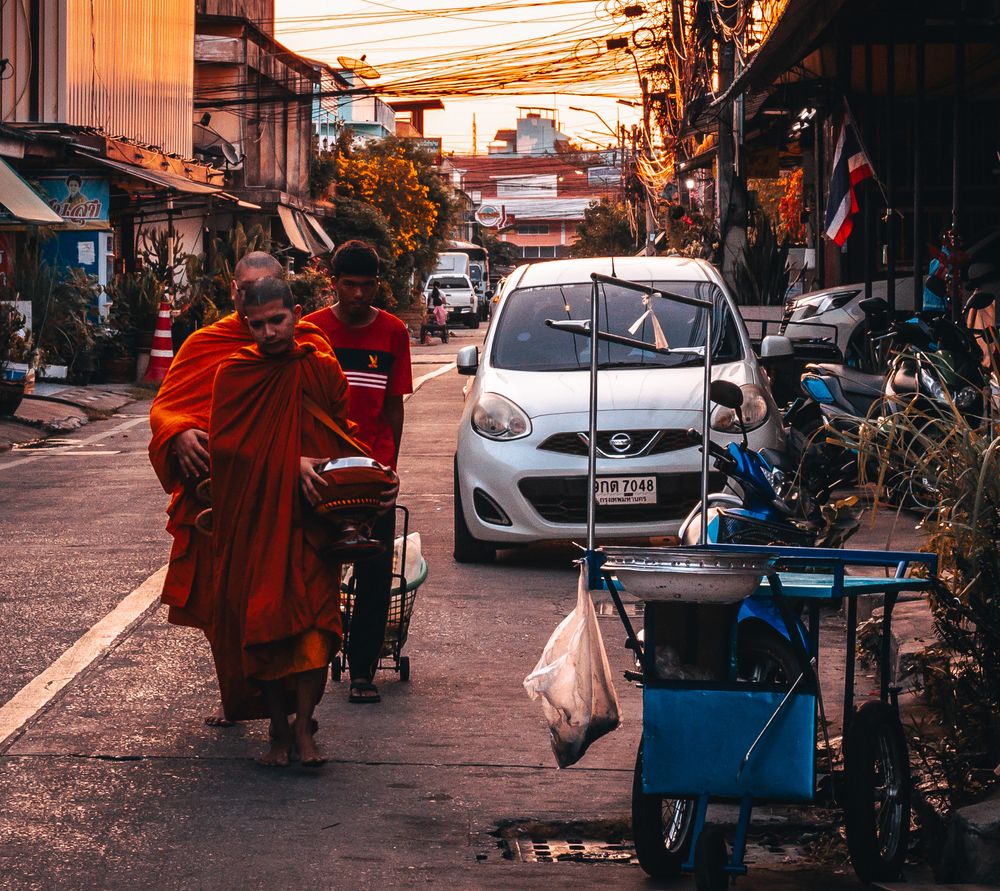
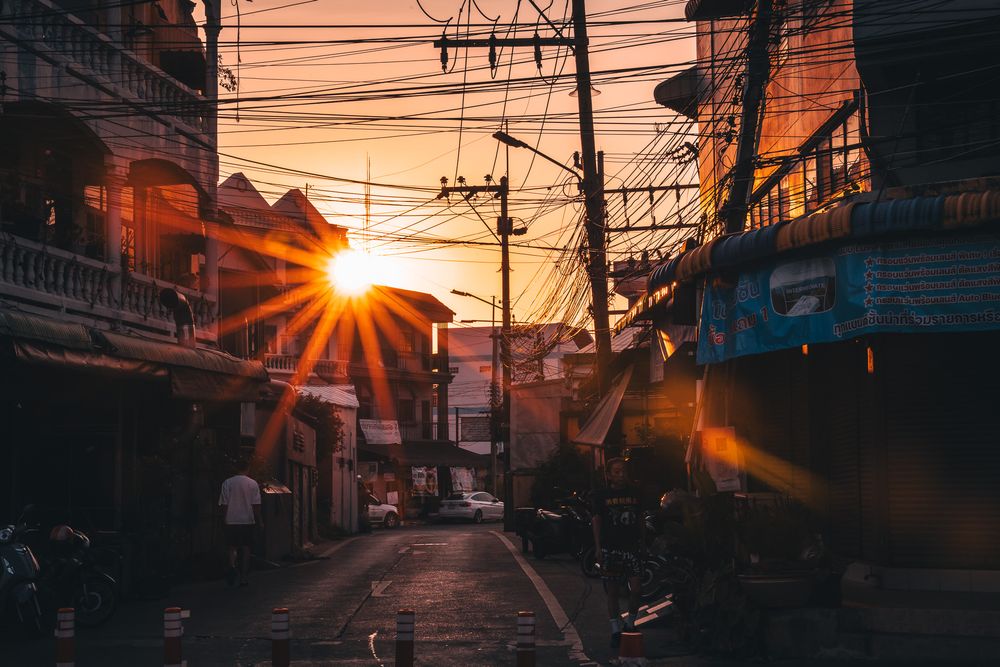
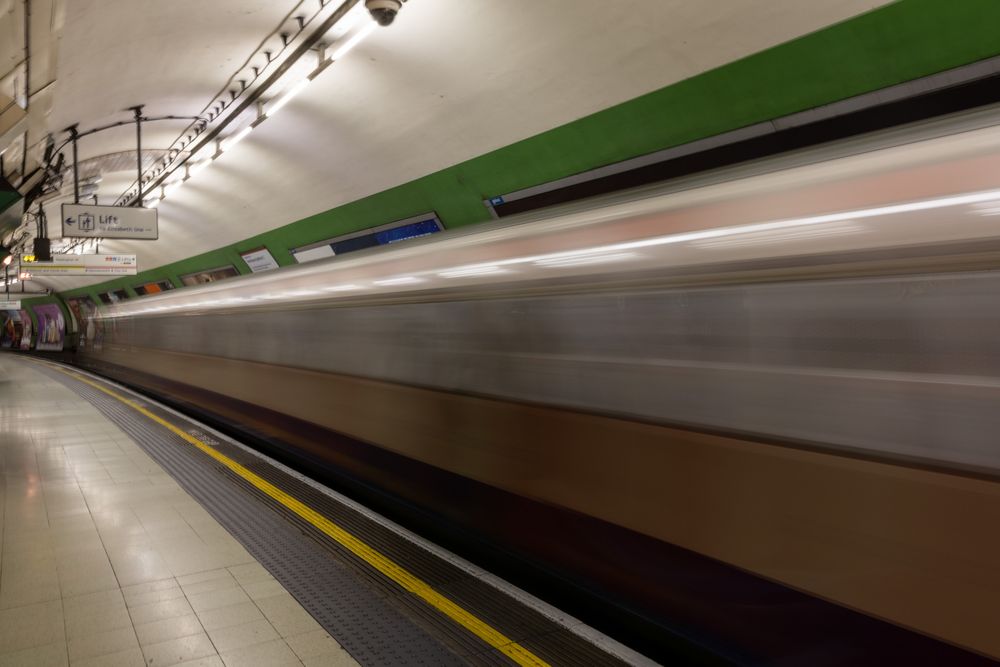
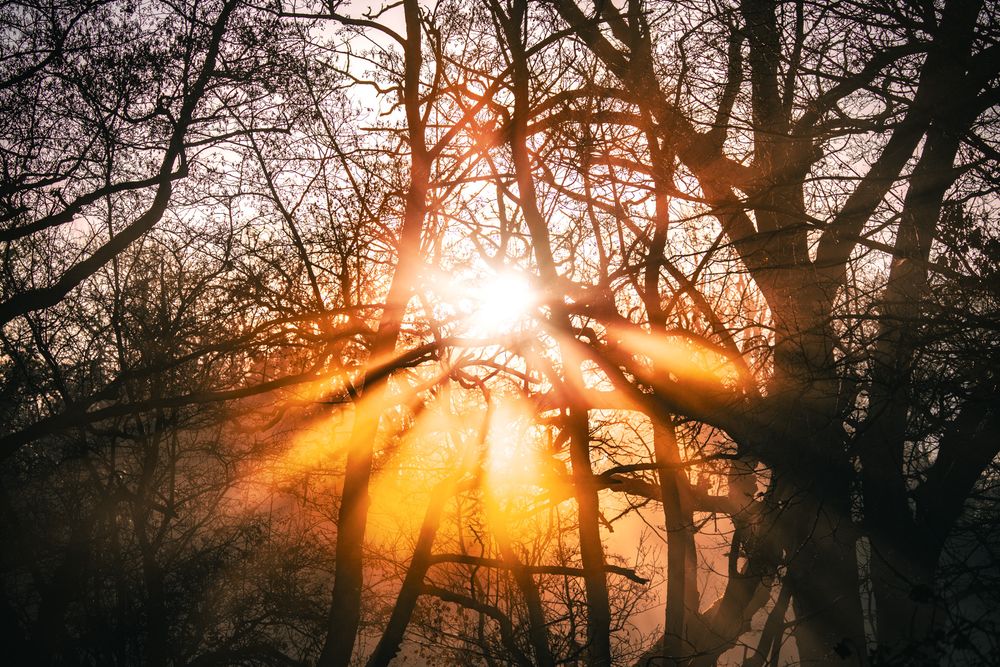
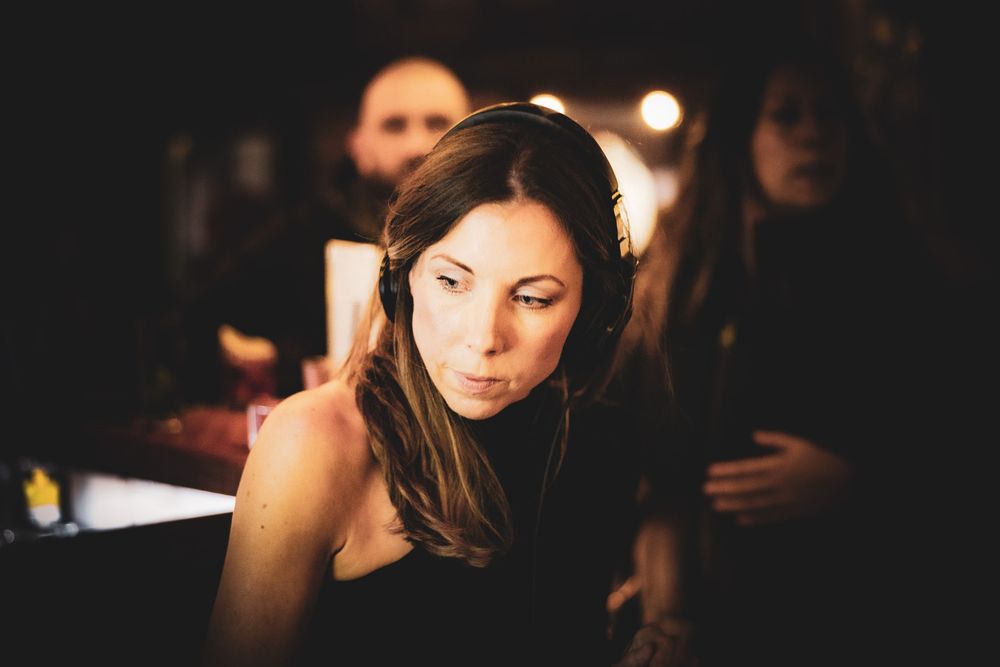
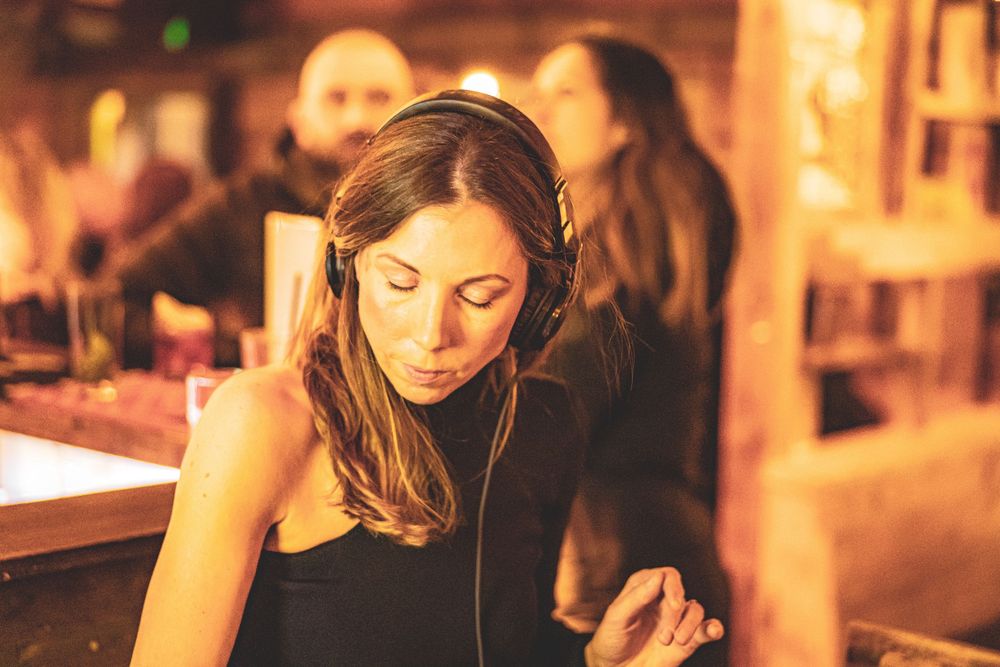
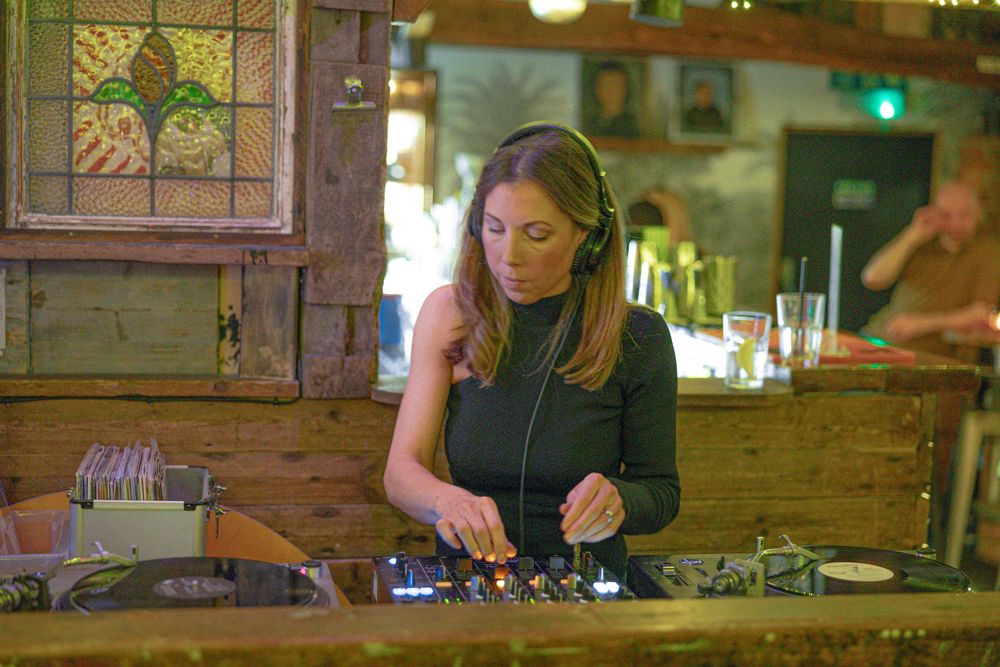
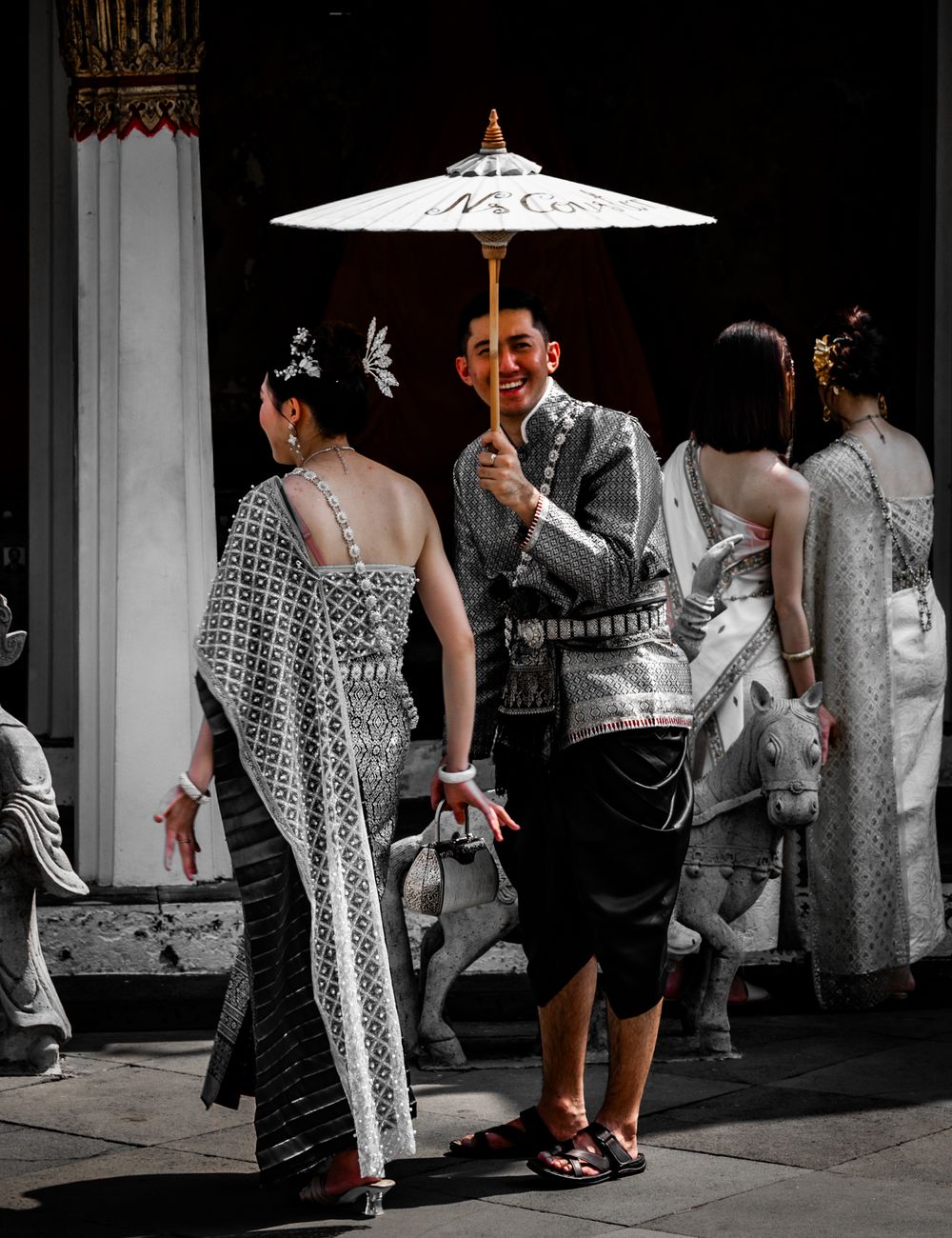
The last 3 photos are from my first paid shoot (if you call 3 cans of Red Stripe being paid, which I do). The DJ was very happy with them and has used them on all their social media profiles. They were taken in very dim lighting, and all at F2 and at a range of 50-60mm with a 1/250 shutter speed. Canon sell a 24-70mm F2.8 lens which advocates adore, but the extra range of F0.8 was a clincher for me. You can't take a photo in poor light with an F stop greater than F2 in my opinion. The standard RF50mm (nifty fifty) has an F stop of F1.8 - so minimal difference, but the USM and L quality lens of the 28-70mm is night and day. Yes it's expensive, but - and here's the clincher - you could do weddings, profile pictures and group photos on a variety of settings without a flash with a single lens. And I haven't found another lens that can do that.
Ok - next up, something with a bit more reach. The RF70-200 F2.8 lens. This is also a zoom lens and starts where the 28-70mm finishes. It goes all the way up to 200mm - which is a good length and can cover fairly wide shots and zoom in to a reasonable length. It's my mid-point lens, and the one I would carry if I could only take one for general purpose motorbike, street or everyday wandering about photography. A lowish F stop at F2.8 means it's not bad in poor light - but fast moving subjects in average to good lighting (so just past sunrise and just before sunset) is where it shines. Here is the lens and comparison pricing:
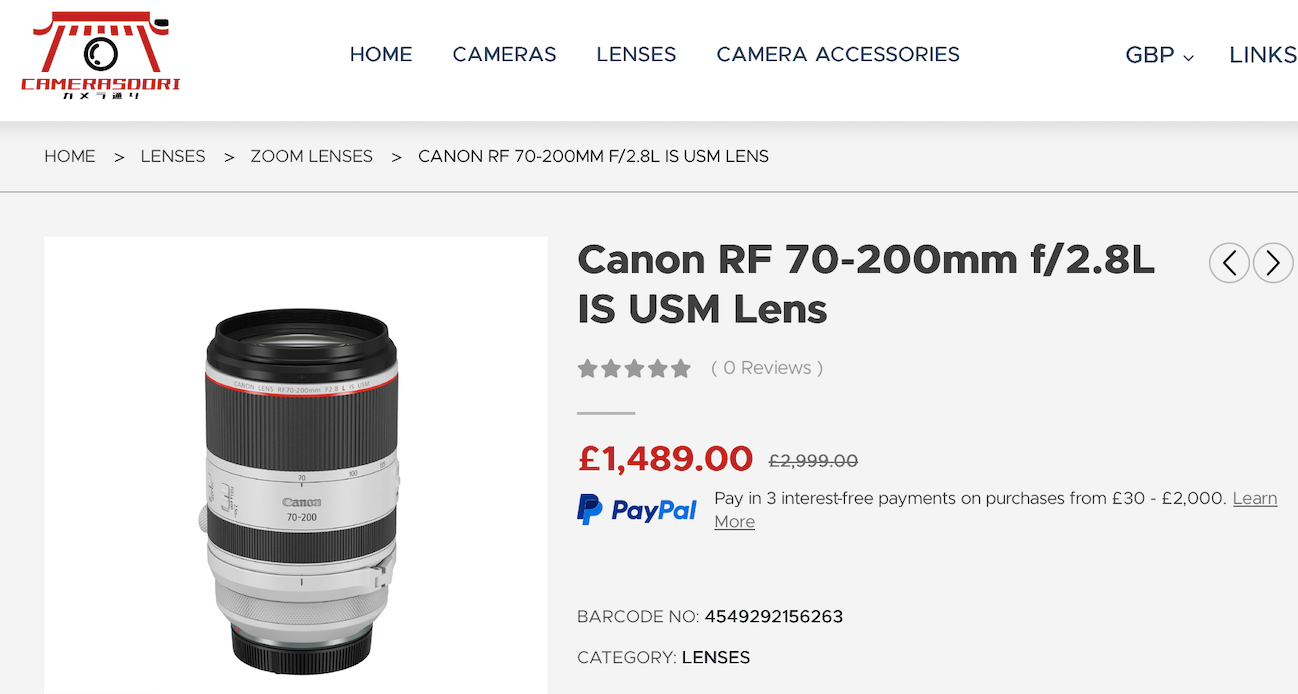
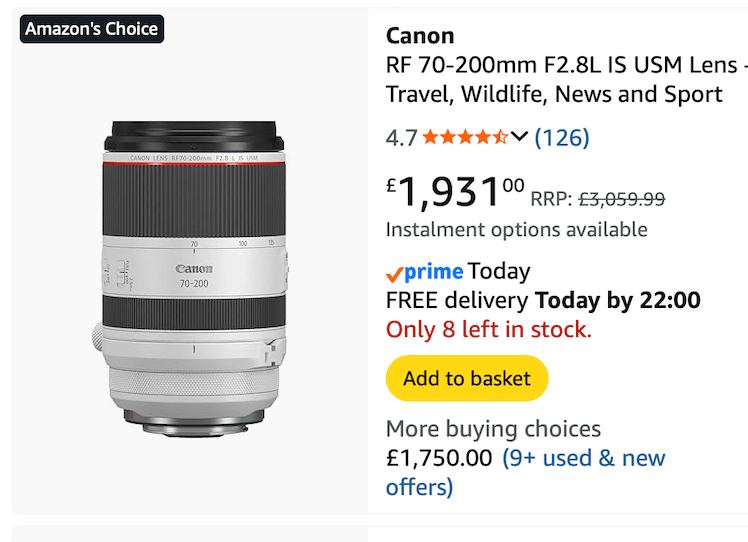
This is a brilliant lens. Every time I wonder if I really need it, I pull it out and it delivers. Most of my regular bike photos are taken with this lens. You can reach it out and zoom to great effect, or leave it at 70mm and capture a wide field of vision - so it's adaptable and super sharp. People will tell you to look at vignetting in the edges and bollocks like that, but if you're able to edit in Lightroom you can crop in if needed - and I have never noticed any issue with soft or blurry edges on any photo I have taken, ever. It's heavy, but manageable - some images taken with it are below:
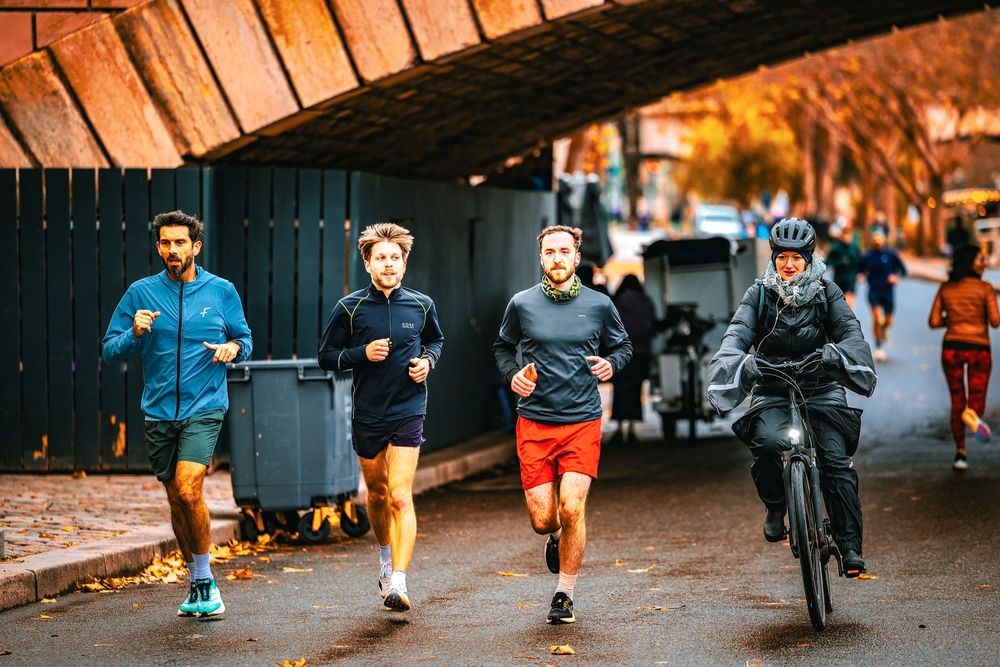
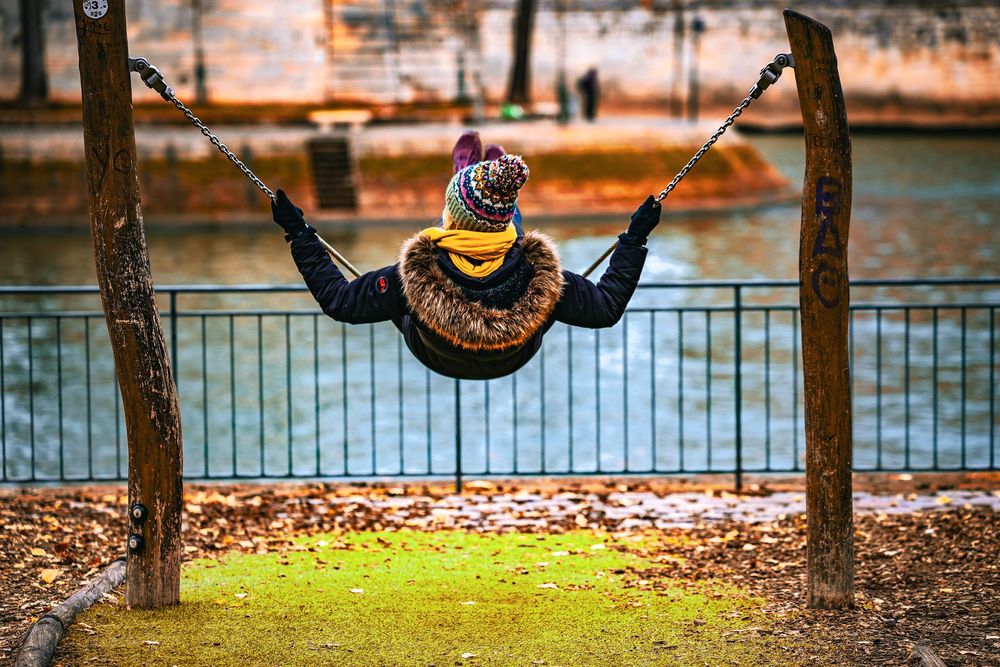
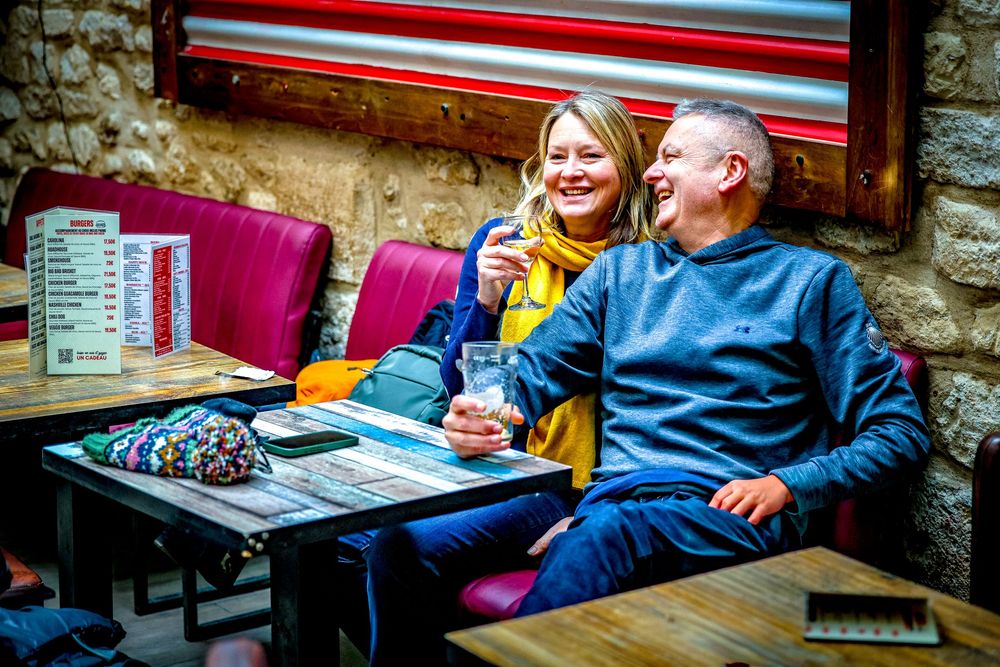
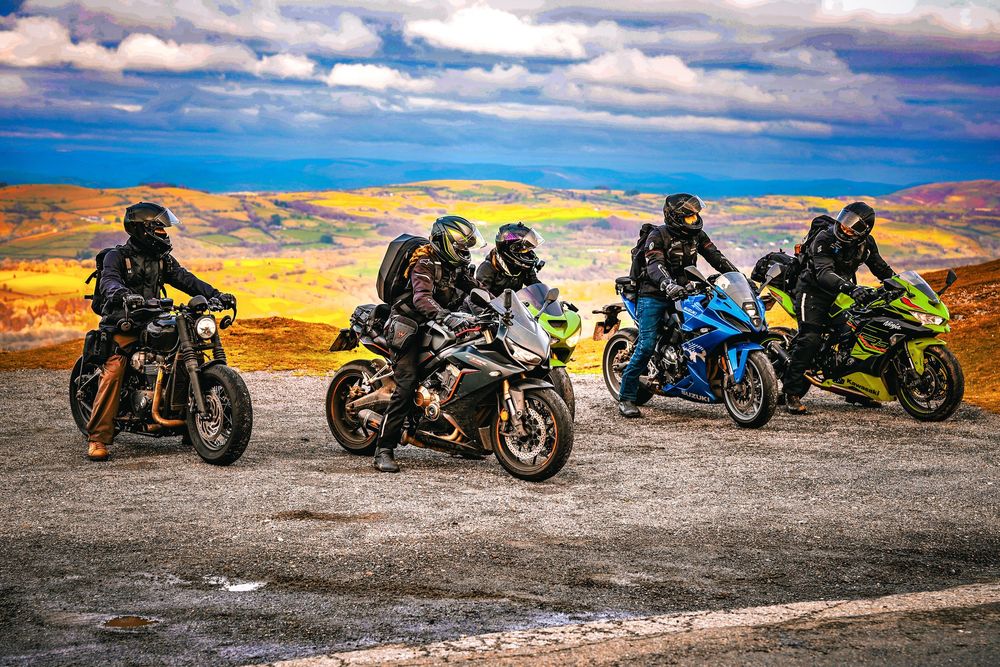
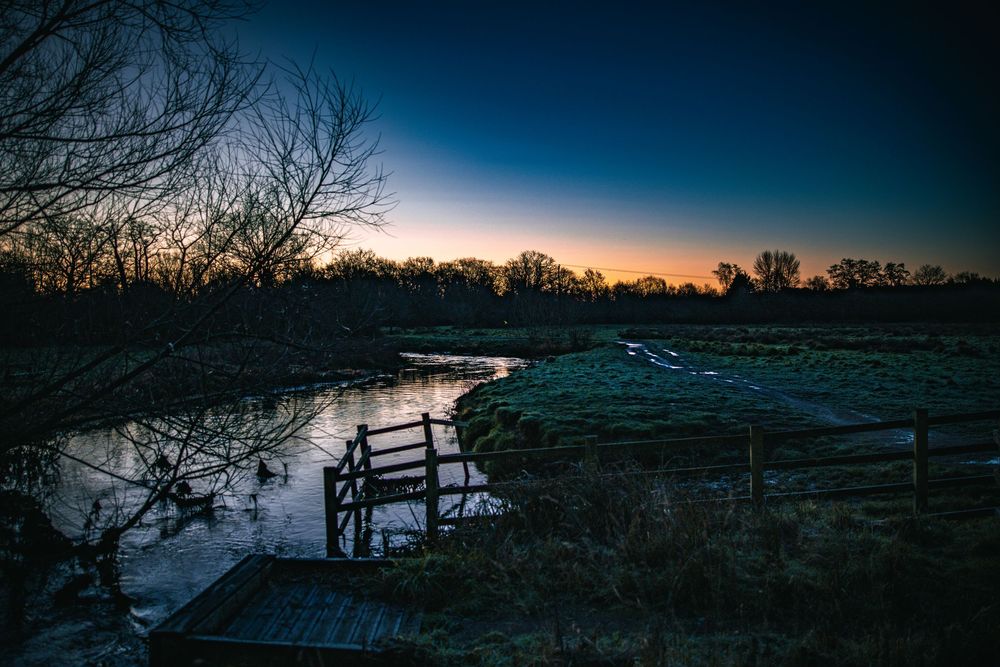
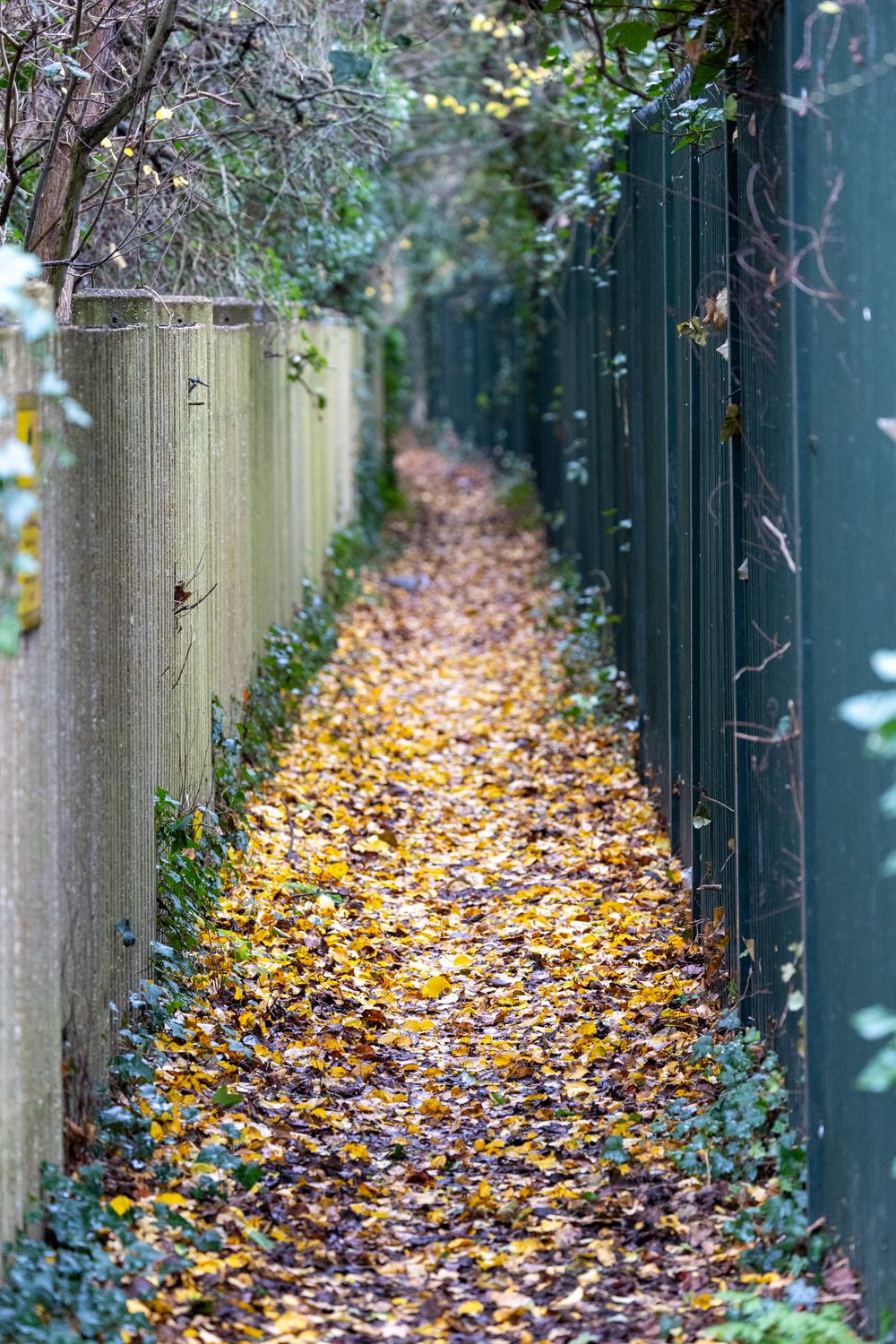
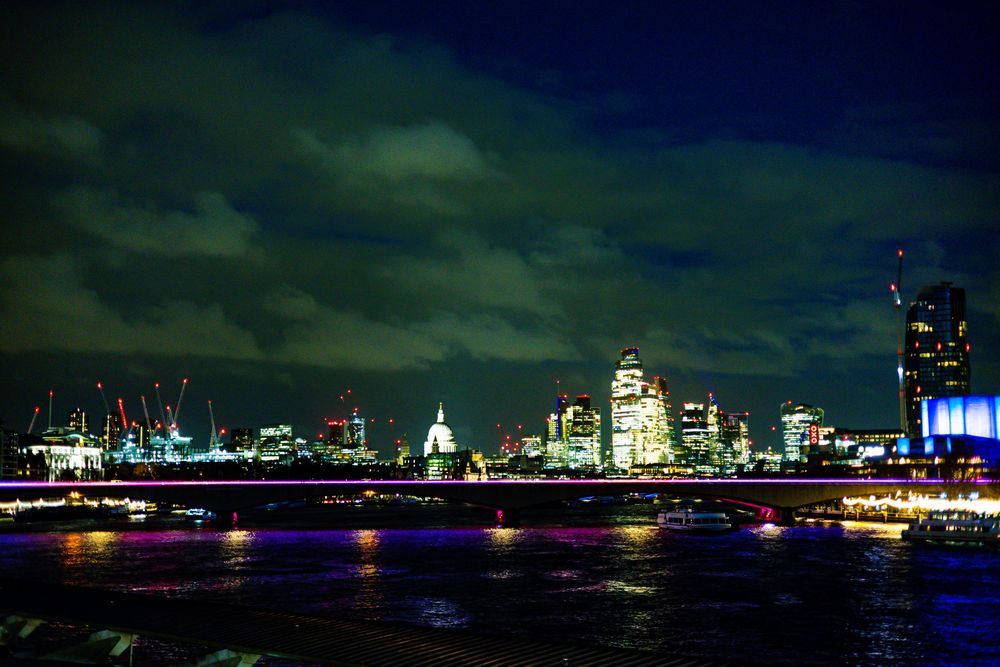
A key question is what is the zoom range in reality of a 70-200mm lens. Well, here are some images that should help demonstrate this. All 4 images are taken at 1/100 shutter speed and at F4 - the photos on the left at full 200mm zoom, and the photos on the right all the way back at 70mm. The subjects were approximately 150 metres away.
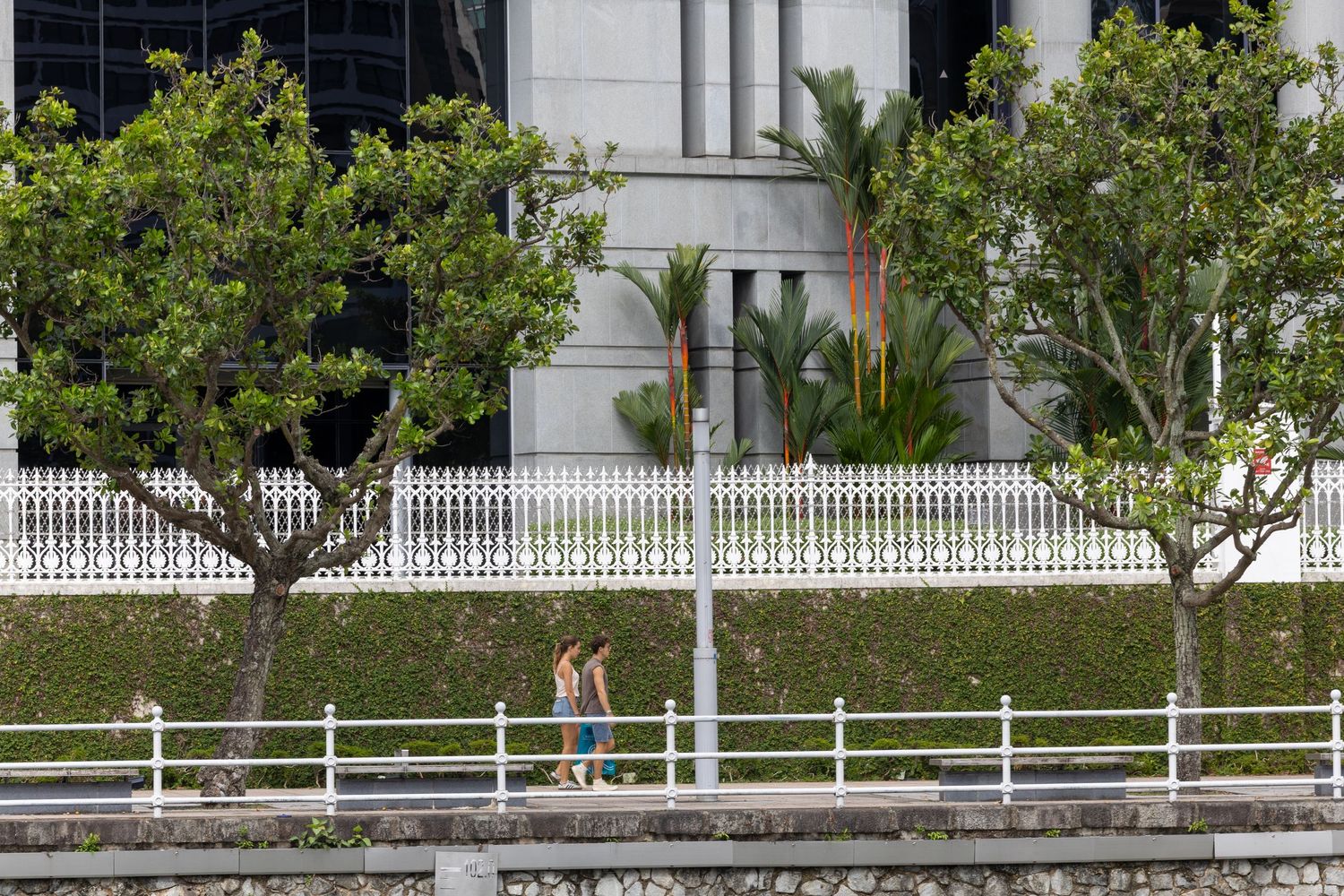
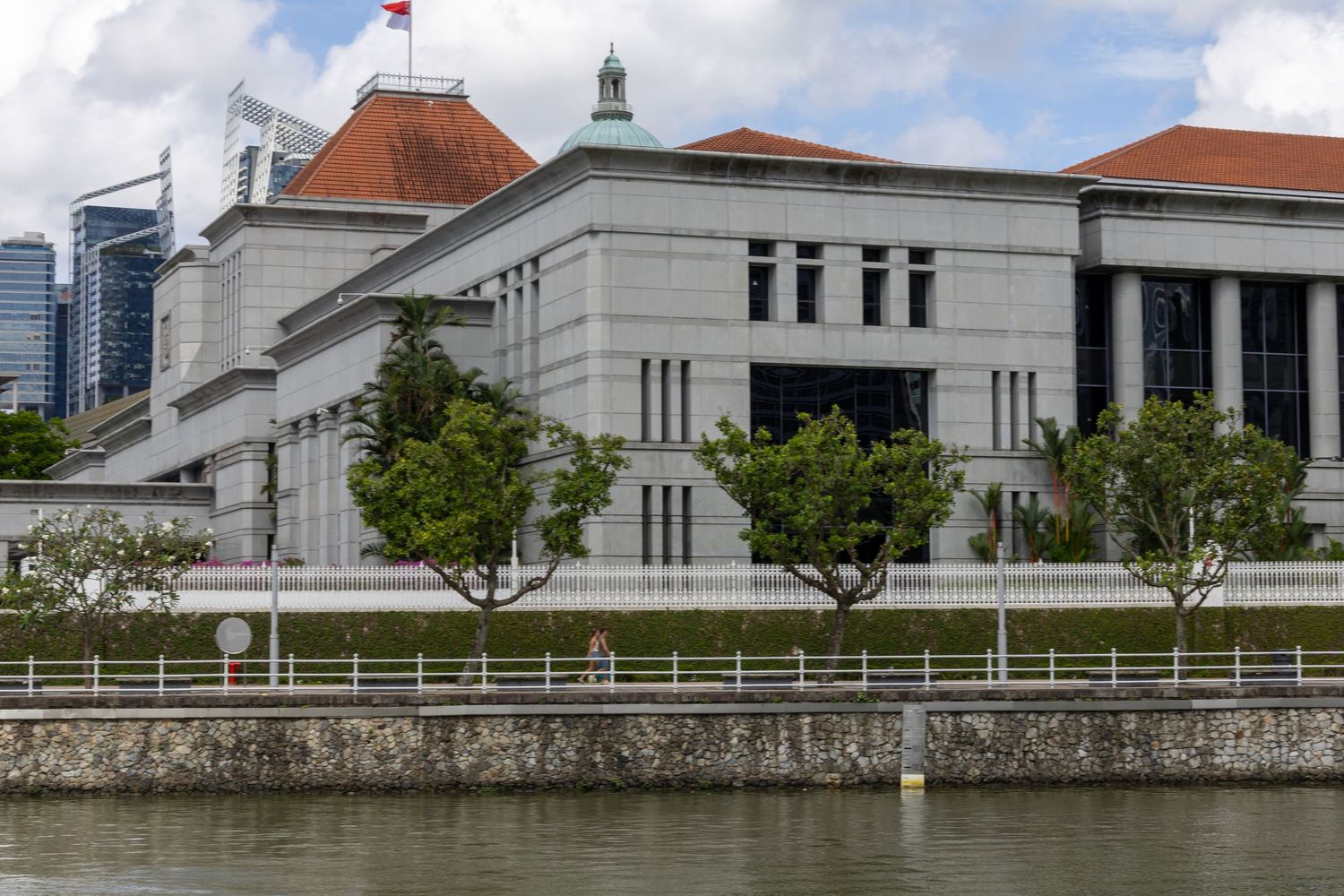
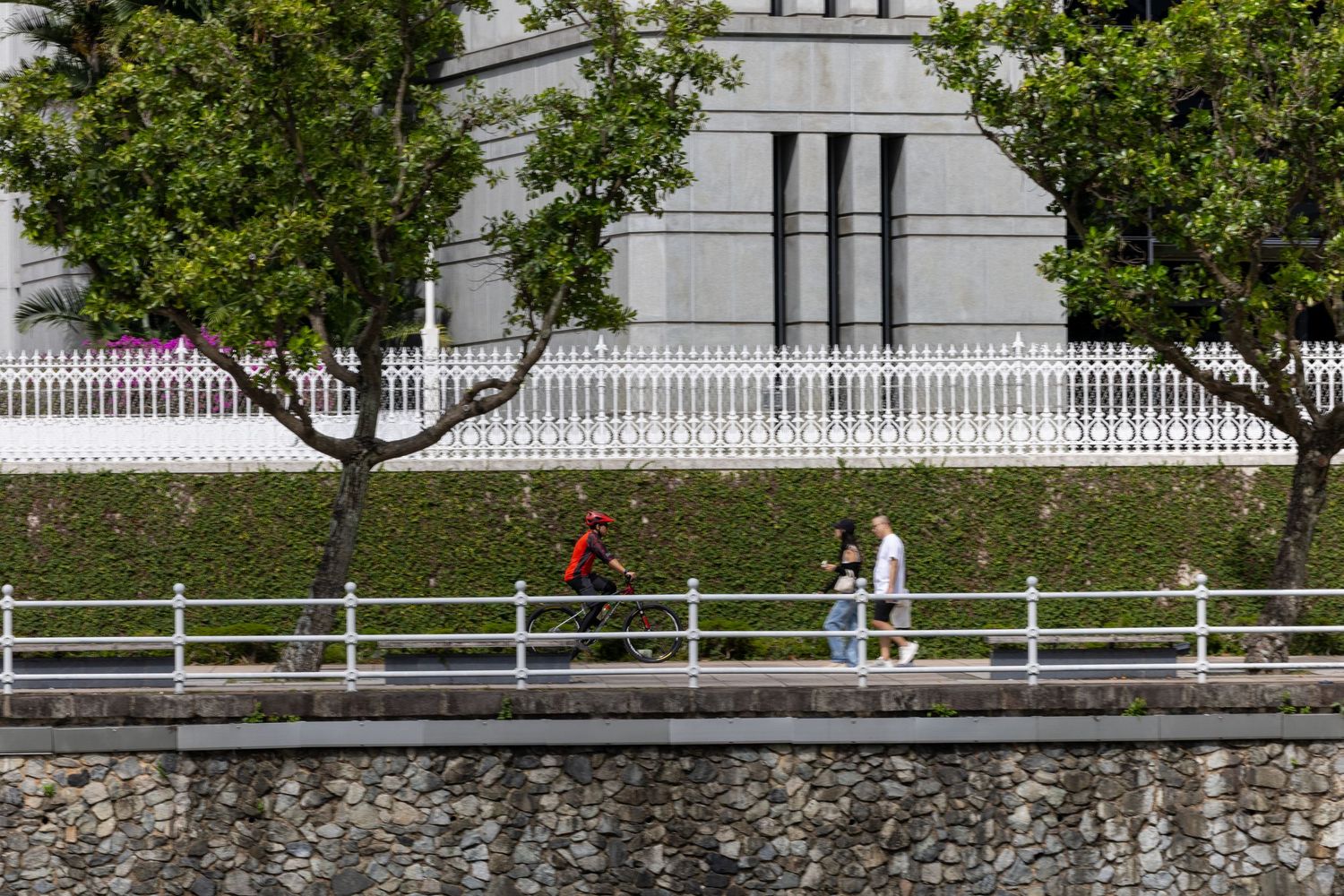
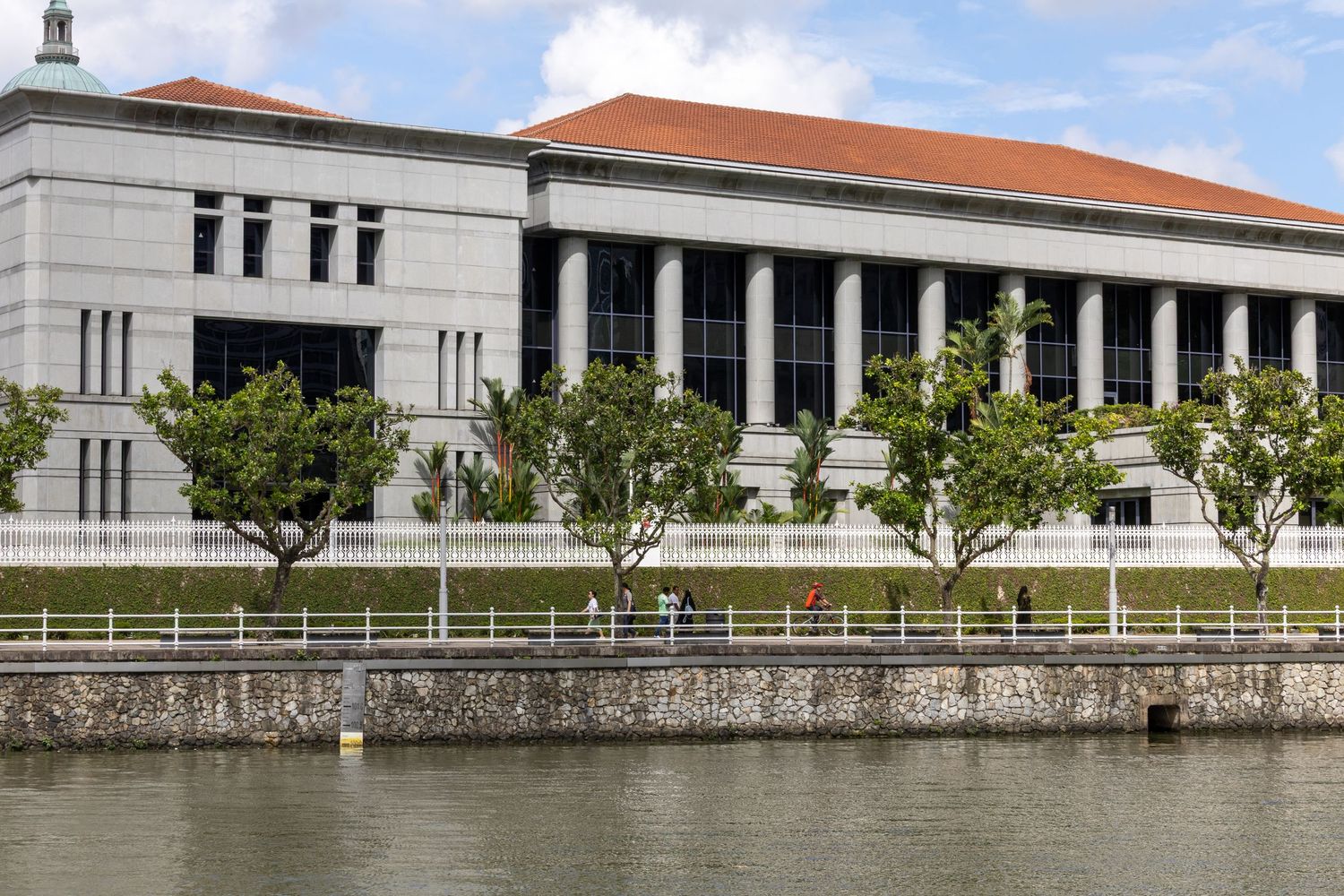
So if you need one lens to get started which is versatile, at the top end of affordable for what it delivers and will give you flexibility to take a variety of pictures, this could be the one for you.
The next lens I'll discuss is the rf100-500mm f4.5-7.1 l IS USM. (IS stands for image stabilisation - which reduces camera shake - but the camera has that already so it's not something you should particularly worry about). Amazon on the left, Cameras Dori on the right. It's a £1k saving. Madness.
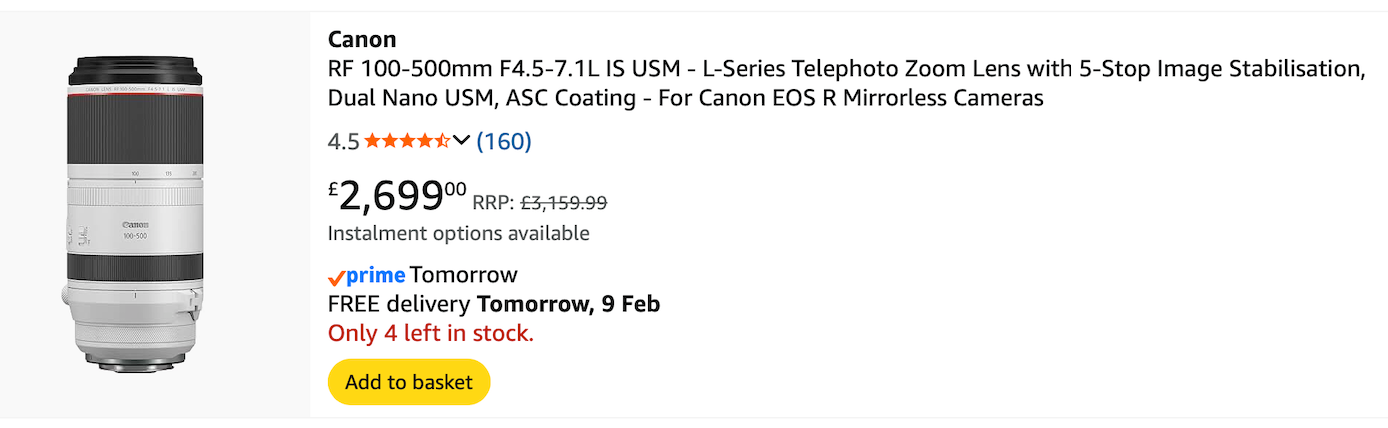
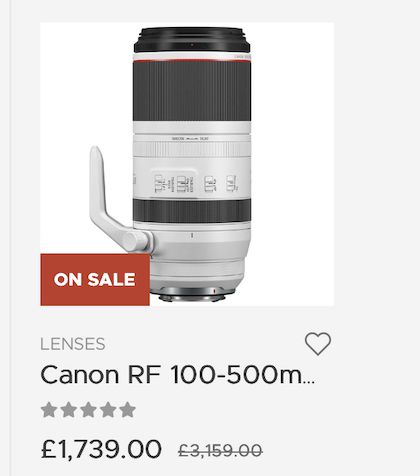
This is a brilliant lens for long range photography. I'm less of a fan using this at 100mm - but as you see below it's just fine at that distance. You can add a 2x teleconverter to double the focal range (that converter only works on a few lenses - this is one of them) - but frankly 500mm gives me all the distance I need. You can use it to take long range images of wildlife, sports, motorbikes and pictures from the stands with great quality - the closer to the end you go, the lower the resolution but it's a small noticeable impact which I'll try and highlight below:
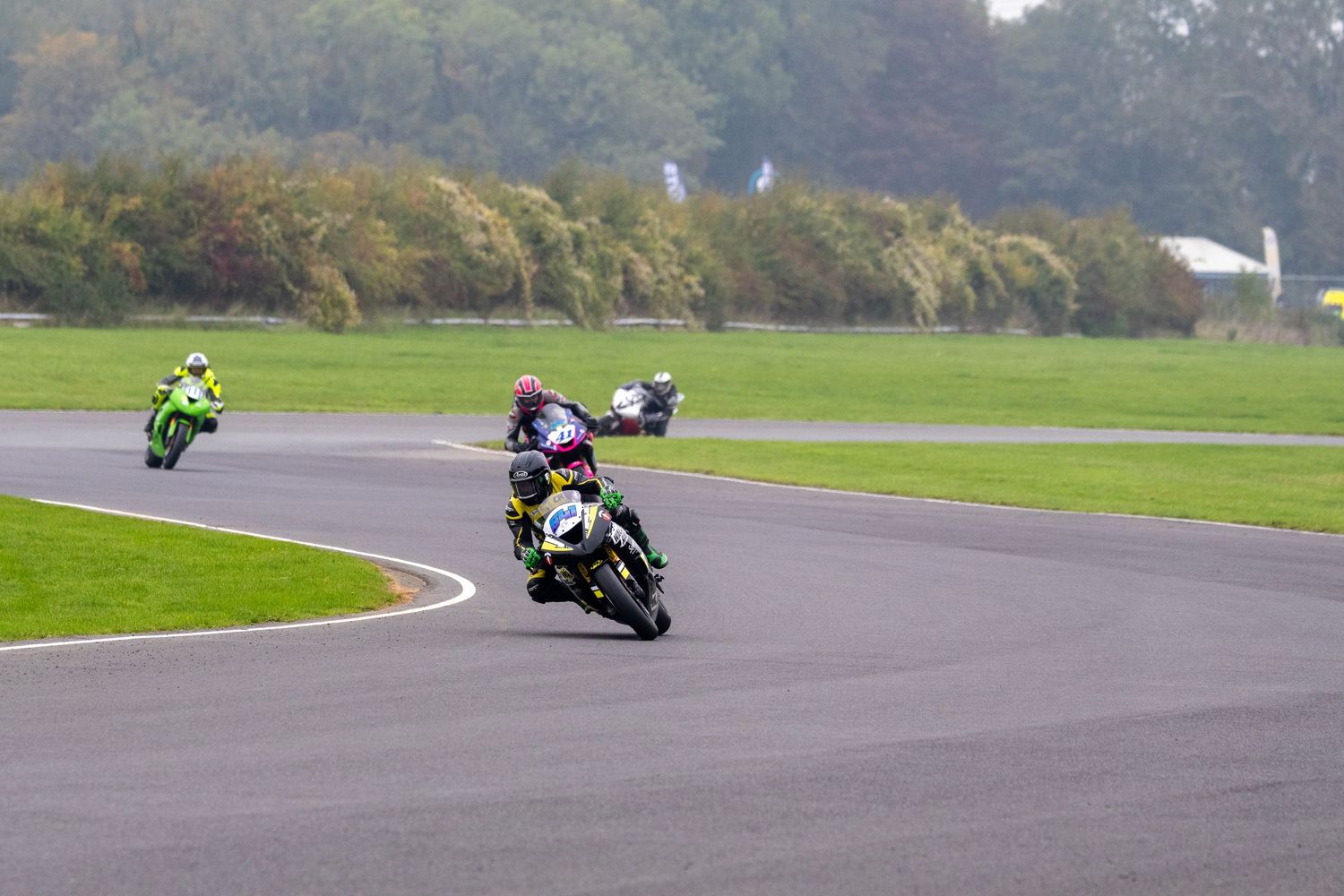
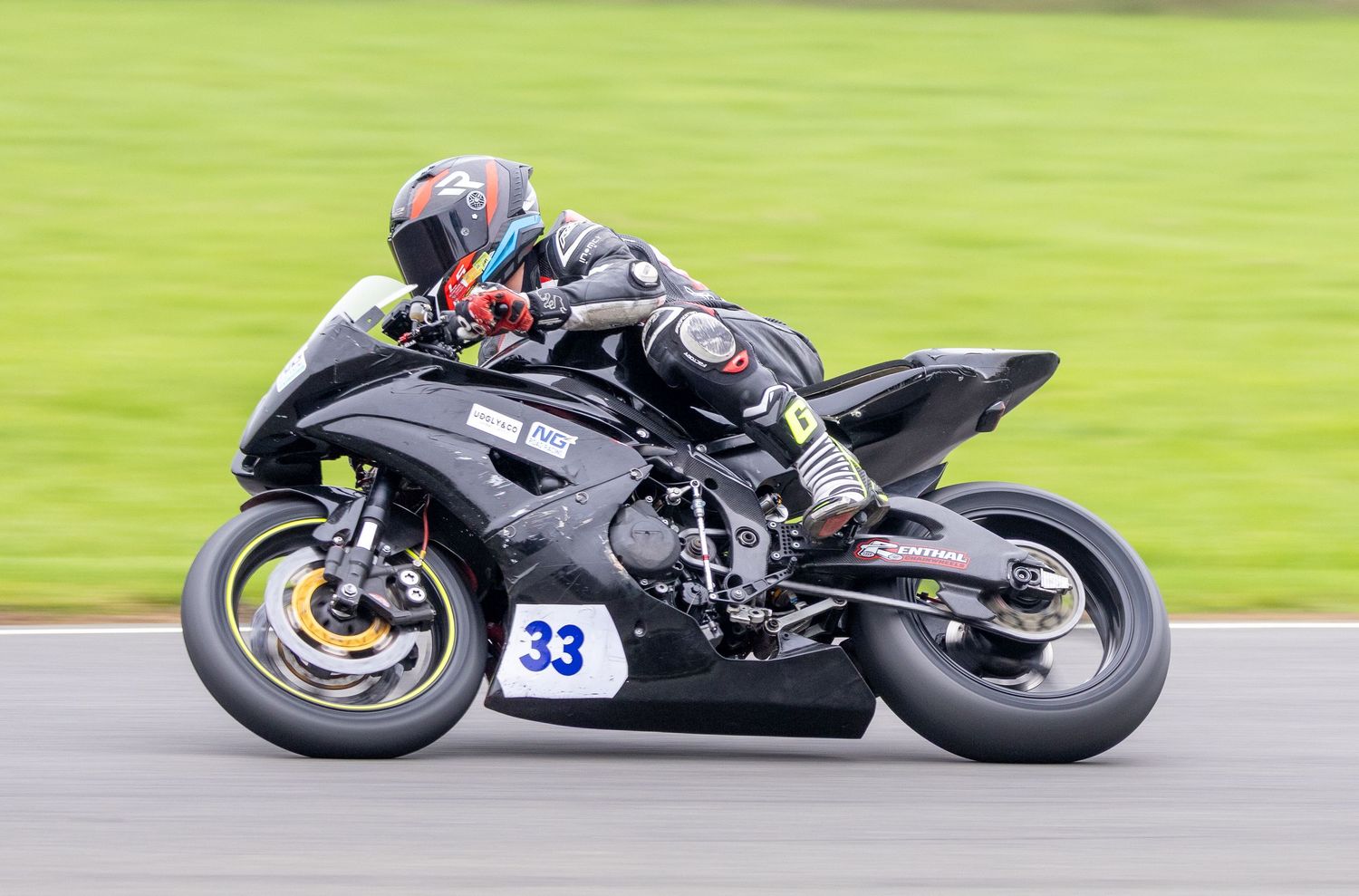
Both were taken with the same lens. The image on the left was shot at 225mm, F5 and a shutter speed of 1/1000 - The Number 33 was taken at 100mm, F4.5 and a shutter speed of 1/250.
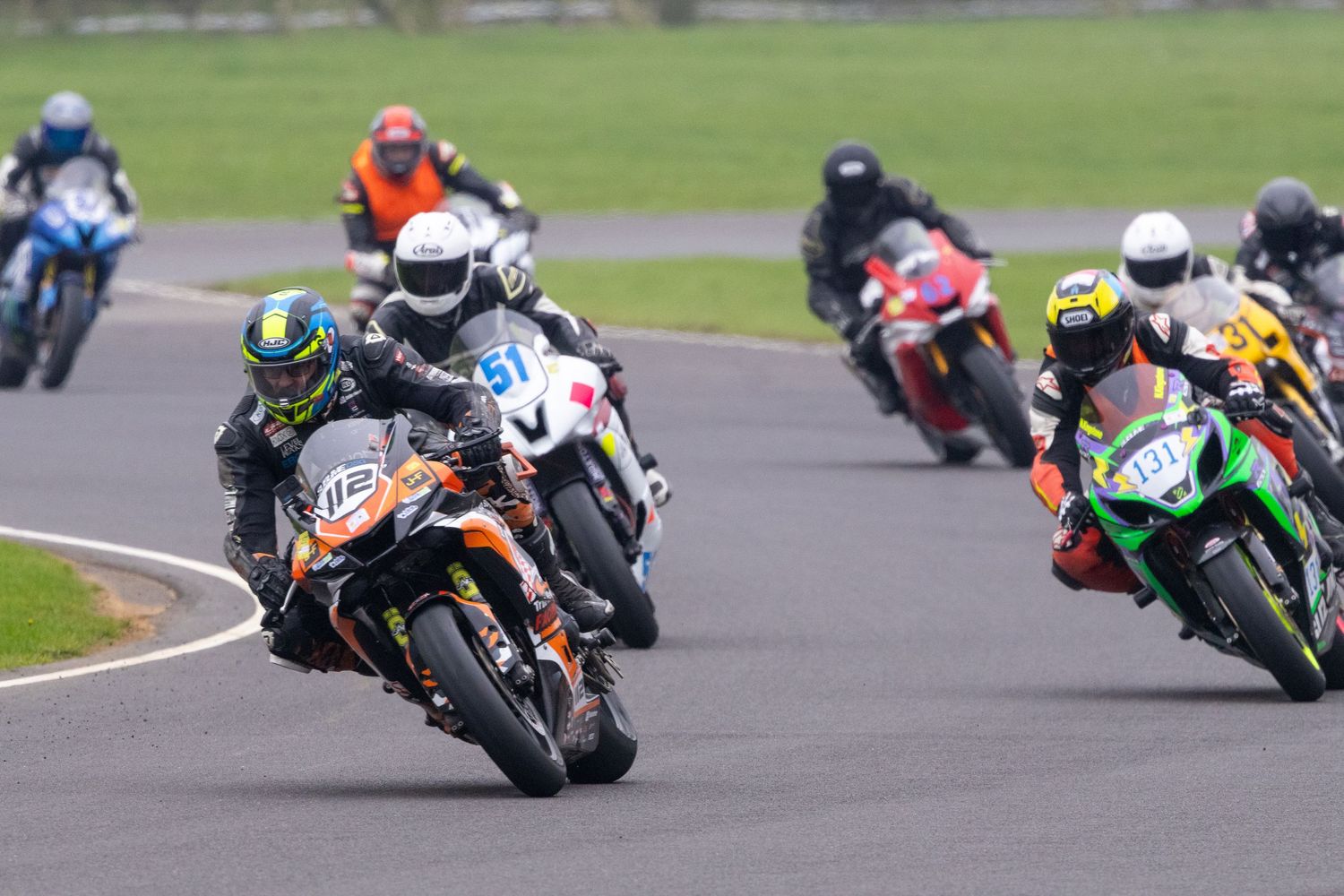
And then this one - taken at the full 500mm, F7.1 and a shutter speed of 1/1250. The colours look sharp and at least 4 of the bikes are nicely in focus indicating a good depth of field. All these bike photos were taken on the old R50. Not too bad.
I'll be talking about accessories in another blog, but I'll leave you with this from the R6 mk2.. Taken at 324mm at F5.6 and a speed of 1/1600, this is my most awarded photograph so far. It has won awards from GuruShot and PhotoCrowd - both peer nominated sites. The difference in image quality of the R6 vs the R50 is huge in my opinion. But judge for yourself. Until later, thanks for reading and reach out with any comments. Thanks, Ed